
Fun Activities That Enhance Cognitive Function in Older Adults
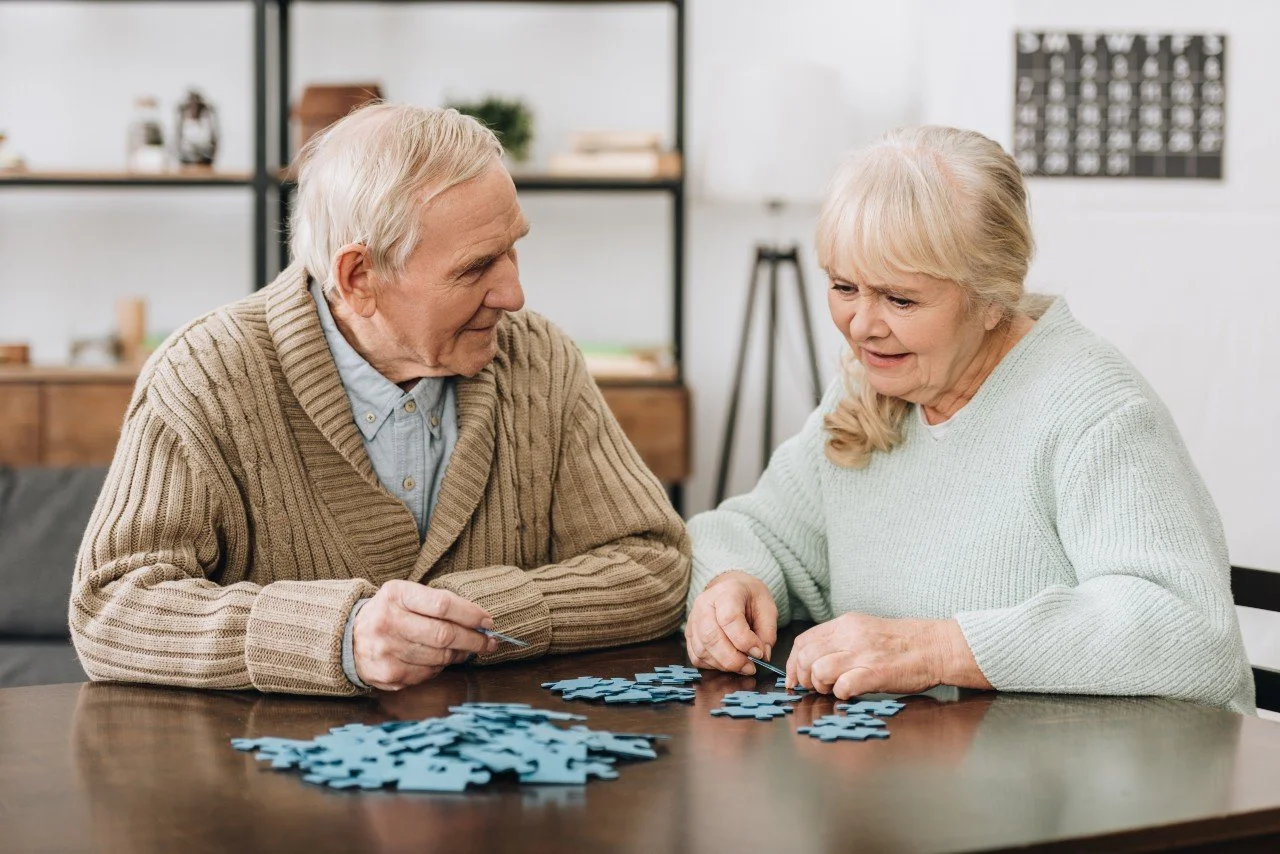
As we grow older, it becomes increasingly important to care for the mind just as much as we care for the body. While aging can bring changes in memory and cognition, the right environment and daily support can help preserve mental clarity and promote emotional well-being.
At Lakewood Memory Care and Assisted Living in Brookfield, Wisconsin, we believe in creating a life filled with purpose, joy, and meaningful connection. Through thoughtful programming and a person-centered approach, our community provides enriching experiences that support overall brain health and enhance quality of life. Whether a resident is living with mild cognitive impairment or simply enjoys engaging with others, every moment at Lakewood is an opportunity to grow, connect, and thrive.
Activities That Enhance Cognitive Function in Older Adults
Caring for the mind is an essential part of aging well. At Lakewood, we focus on activities that enhance cognitive function in older adults by creating a nurturing environment where each day brings purpose and engagement. Cognitive health is not a separate goal. It is part of daily living that promotes independence, dignity, and a meaningful life.
Every thoughtfully designed activity supports brain health and mental stimulation while also encouraging emotional connection. Whether your loved one is navigating mild cognitive impairment or simply enjoys the structure of engaging routines, these moments offer essential benefits for memory and cognitive function.
How Cognitive Decline Affects Older Adults and Why Early Support Matters
Cognitive decline can be a natural part of aging, but early support and regular cognitive stimulation can help maintain cognitive function and improve quality of life. Daily mental engagement and emotional expression all contribute to better outcomes and slower progression of cognitive impairment.
Through physical activity, intellectual challenges, and consistent social interaction, older adults can improve mental well-being and promote healthy aging. Early participation in brain exercises provides an opportunity to strengthen neural pathways and protect cognitive abilities before memory loss becomes more significant.
Brain Health Through Everyday Routine and Cognitive Exercises
At Lakewood, brain health is gently supported through structured daily routines that promote cognitive stimulation and emotional well-being. Our community encourages older adults to engage in both cognitive exercises and social activities that strengthen memory, enhance cognitive function, and nurture the spirit.
Morning devotionals and Daily Chronicles sessions encourage reading, reflection, and conversation. These moments strengthen working memory and stimulate the brain in a calm and comforting environment. Our life enrichment programs include weekly activities like strength training, armchair yoga, and ball toss that combine physical exercise with mental focus, reinforcing both physical and cognitive health.
Physical activity also plays a vital role in supporting cardiovascular health, which directly benefits overall cognitive well-being. Gentle movement enhances oxygen flow to the brain, keeps the body agile, and boosts brain function naturally.
Brain Exercises and the Cognitive Benefits of Crossword Puzzles
Crossword puzzles are one of the most effective brain exercises for promoting cognitive abilities in older adults. These puzzles help improve vocabulary, attention to detail, and logical thinking. At Lakewood, crossword puzzle sessions are more than a pastime. They are an invitation to engage language skills, strengthen memory retention, and enjoy a sense of accomplishment.
Other structured cognitive exercises like word games, riddles, and trivia challenges are also part of our programming. These activities train the brain by stimulating reasoning, focus, and spatial awareness, which are key to maintaining cognitive performance and enhancing brain health.
Brain Games and the Power of Mental Engagement
Brain games serve an important purpose beyond entertainment. They promote memory and cognitive function by encouraging older adults to solve problems, recognize patterns, and stay mentally engaged. Whether it is a memory match game or a visual puzzle, these brain training exercises are designed to stimulate the brain and support mental acuity.
Lakewood residents enjoy a range of brain training games that promote executive function, improve attention span, challenge cognitive skills, and strengthen working memory. These moments of focused engagement contribute to overall brain health and help preserve a sense of independence and clarity.
Board Games and Social Interaction That Support Emotional Well-Being
Board games are a simple and joyful way to bring people together while also strengthening cognitive skills. Games like checkers, dominoes, cards, and Scrabble encourage older adults to use strategic thinking, spatial cognition, and planning while enjoying the benefits of social engagement.
At Lakewood, board games are a regular part of group activities. They create opportunities for laughter, connection, and shared experience. These interactions provide emotional well-being while also stimulating cognitive function in a relaxed and welcoming setting.
The Role of Brain Training in Supporting Cognitive Stimulation
Brain training is most effective when it is consistent and personalized. Our community offers a variety of structured and informal brain training opportunities, from creative workshops to daily conversation circles.
Residents engage in weekly activities like fitness classes, musical hymns, nature crafts, and gardening. These experiences are designed to keep the brain active and promote emotional fulfillment.
Our holistic Memory Care program is guided by Montessori principles, offering cognitive stimulation that supports both the heart and the mind. Each activity is designed to honor the personal interests and histories of our residents, reinforcing identity and dignity every day.
Promoting Cognitive Health Through Physical and Emotional Expression
Cognitive health is deeply connected to both physical and emotional well-being. Activities like gardening and crafting engage fine motor skills and visual perception while also creating a calming and productive experience. Music therapy sessions help awaken memories and offer a safe outlet for emotional expression.
Dance socials, musical programs, and seasonal celebrations bring residents together in ways that encourage movement and connection. These experiences promote memory retention, cognitive stimulation, and a sense of belonging.
Encouraging Purposeful Participation to Prevent Cognitive Decline
Volunteering and purposeful contribution are powerful tools for preventing cognitive decline. At Lakewood, we provide opportunities for residents to stay involved and feel needed. Whether it is delivering homemade dog biscuits to the local clinic or creating gifts for charitable causes, these projects nurture self-worth and keep both the brain and the heart engaged.
Meaningful participation builds confidence, strengthens executive function, and provides a sense of control and purpose that is essential for cognitive well-being.
Supporting Overall Cognitive Health Through Daily Life at Lakewood
At Lakewood Memory Care and Assisted Living, every activity is guided by compassion and purpose. We believe that promoting cognitive health begins with understanding the whole person. Through brain training, physical activity, social connection, and emotional support, our residents are empowered to live with joy and confidence.
From crossword puzzles to creative crafts and shared meals to spiritual reflection, cognitive engagement is present in every aspect of life here. It is not something we reserve for special occasions. It is part of the warm, caring rhythm of daily life in our community.
To learn more about how Lakewood can support your loved one’s cognitive well-being, contact us today to schedule a personal tour. We would be honored to welcome you into our community.
Frequently Asked Questions
1. Can video games help stimulate cognitive function in older adults?
Yes. While not all older adults prefer digital formats, playing video games that involve memory, problem solving, or reaction time can support brain training and enhance cognitive performance.
2. How do balance exercises contribute to brain health?
Balance exercises help improve coordination, motor skills, and spatial awareness. They also engage brain regions responsible for body awareness and movement planning, which supports cognitive abilities.
3. Are there brain training programs designed specifically for older adults with cognitive impairment?
Yes. Brain training activities can be customized to meet the needs of individuals with cognitive impairment. These programs often focus on memory games, repetition, and sensory stimulation to support maintaining cognitive function.
4. What role does emotional well-being play in cognitive health?
Emotional well-being is essential to cognitive health. When older adults feel safe, heard, and supported, they are more likely to engage socially and mentally. This engagement helps prevent cognitive decline and supports overall mental health.
5. Is learning a new language beneficial even in older age?
Yes. While Lakewood does not currently offer language instruction, learning a new language has been shown to strengthen memory, improve focus, and promote healthy brain function. Similar benefits can be achieved through other forms of learning and mental engagement.