
Dementia Resources in Waukesha County: A Guide for Families
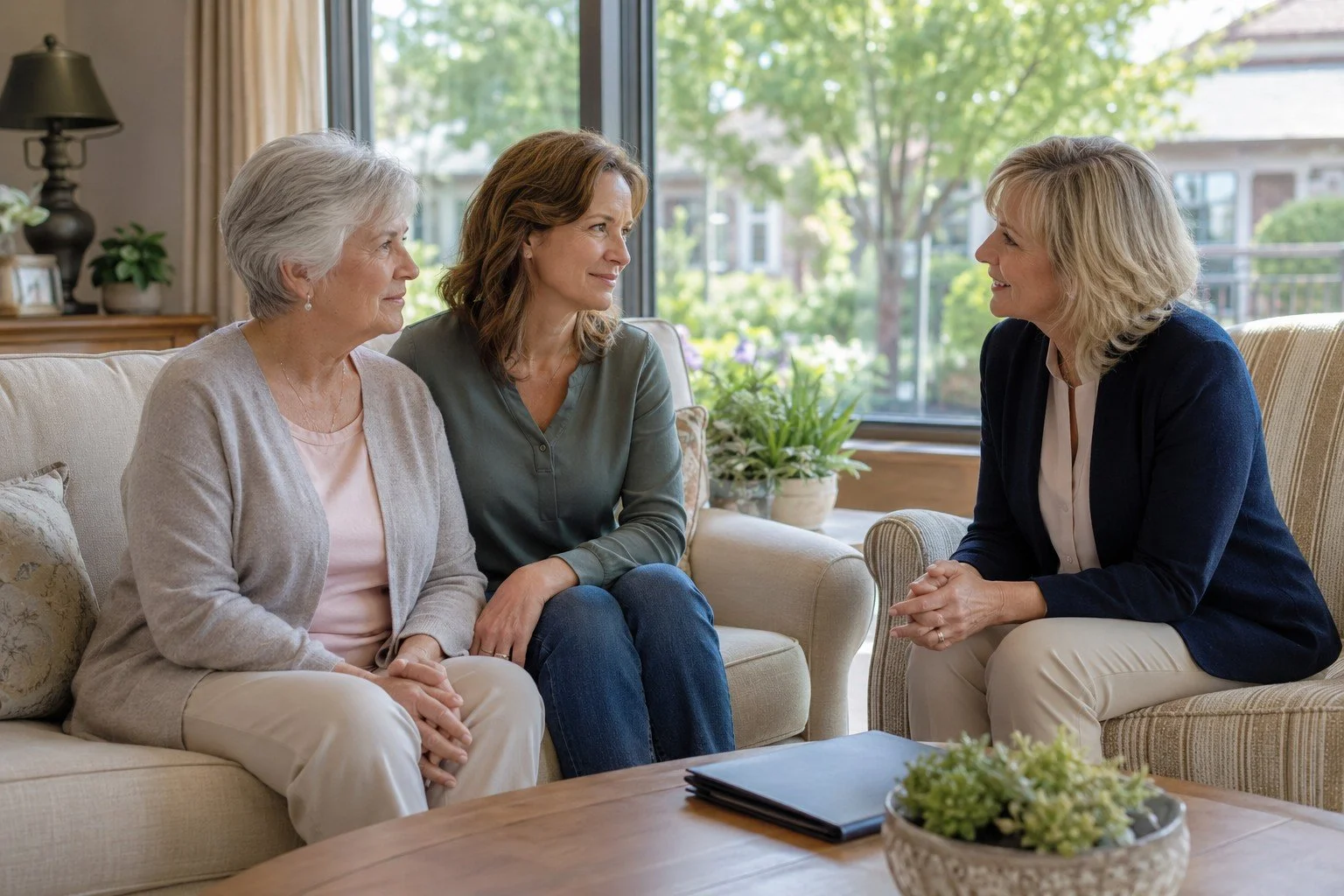
Choosing senior housing for a loved one with memory loss involves more than finding an available apartment. Families need to understand how changes in memory affect the person’s safety and daily life, then determine which setting can provide suitable support.
This guide explains how to evaluate changing care needs, use local resources, and compare Brookfield senior housing without losing sight of the individual.
Identify How Memory Loss Affects Daily Life
Memory changes become a care concern when they interfere with everyday tasks or place an older adult at risk. A family member may forget medication, become confused in familiar places, or need more assistance with personal care. Changes in cognition can also influence communication and behavior.
New or worsening symptoms should be discussed with a qualified health professional. Dementia is a term for symptoms affecting memory, thinking, and communication. Alzheimer’s disease is one cause of dementia, while other dementia types can affect each person differently.
A medical assessment can help identify possible causes and lead to an appropriate diagnosis. Meanwhile, family caregivers can keep a brief note of changes they observe. This information can help everyone involved understand how much help the person needs.
Learn About Dementia Resources in Waukesha County
Local resources can make the planning process easier when a family does not know where to begin. Dementia resources in Waukesha County include memory screenings and educational programs. Families can also access caregiver guidance or referrals to community services.
Lakewood Memory Care and Assisted Living in Brookfield provides memory care for older adults whose changing needs require daily support. Our team works with families to learn about each resident’s routine and determine how our services can support their current abilities.
Local resources do not choose senior housing on a family’s behalf. Instead, they provide information that supports informed decisions. Families can use this guidance when considering whether a community such as Lakewood can meet their loved one’s present needs and future care requirements.
How the Aging and Disability Resource Center (ADRC) Can Help
The Aging and Disability Resource Center (ADRC) of Waukesha County is not a residential memory care facility. It is a public resource for older adults, adults with disabilities, and the people who assist them. The ADRC provides information about local care options and benefits. Their purpose is to empower individuals to make informed choices and streamline access to suitable resources.
Families can contact the ADRC by phone, visit the office, or request additional help. Staff can discuss a family’s concerns and connect them with relevant services. The distinction is important. The ADRC provides guidance, while a memory care community such as Lakewood provides housing and daily care. A family may use both resources at different points in its planning.
Ask a Dementia Care Specialist About Changing Needs
A dementia care specialist works through the ADRC to assist people living with dementia and those supporting them. The specialist can explain what changes may mean and help a family develop a practical plan.
A specialist may provide a memory screen or a consultation. The ADRC also offers training to businesses and community organizations. This helps staff learn how to serve customers experiencing cognitive changes and respond more appropriately to friends or neighbors who need help.
Speaking with a specialist does not commit someone to residential care. It gives individuals clearer information and may help them retain greater control over decisions affecting their independence.
Use Memory Cafés for Early Support
Memory cafés provide social opportunities for people experiencing early-stage dementia or mild memory loss, together with their caregivers. They can help families maintain community connections while learning more about brain health.
The Library Memory Project offers memory cafés through participating libraries in Waukesha County, including Brookfield. These gatherings may be useful while families assess changing needs and consider whether additional memory care support is becoming necessary.
Consider Brain Health While Planning for Care
A community memory screen is a wellness tool that may detect possible changes in memory and cognition. It does not confirm dementia, but it can show when further medical evaluation may be appropriate.
Seeking guidance early allows the person to remain involved in decisions about care. It can also help families consider which type of senior housing may best protect the person’s safety and quality of life.
Lakewood’s Memory Care Program supports the brain through Montessori-based engagement. Residents can take part in activities such as gardening and music, with opportunities adjusted to their abilities. The program also includes sensory stimulation and emotional expression.
Plan for Alzheimer’s Disease and Other Dementia Needs
A diagnosis alone does not determine how much care someone needs. Two people with Alzheimer’s disease may have different abilities, routines, and responses to their surroundings.
When comparing Brookfield senior housing, consider whether your loved one can complete daily tasks consistently. Look at how they manage personal safety and whether their care needs exceed what caregivers can reliably provide at home.
The Alzheimer’s Association is another source of information that can help families learn more about dementia and available support. Resources such as these can assist families in understanding the condition before they compare residential options.
Compare Brookfield Senior Housing With Specific Needs in Mind
Each memory care community offers a different level of support. Before touring, identify where your loved one needs help and which routines remain important to them. Consider whether they need assistance with personal care or medication management. Safety concerns and opportunities for meaningful engagement should also guide the comparison.
During a tour, ask how services are adjusted as needs change and how the community supports independence. Look at whether residents have easy access to secure shared spaces and activities suited to their abilities.
Lakewood follows a person-centered approach based on each resident’s established routine. Personalized care and 24/7 on-call nursing support help residents receive consistent assistance while maintaining as much independence as possible.
Choose Support That Can Adapt Over Time
The right Brookfield senior housing option should reflect the person’s current abilities while allowing for future changes. Local resources can explain available help, but families should also speak directly with each community about how it will serve their loved one.
Lakewood Memory Care and Assisted Living provides individualized memory care in a secure Brookfield community. Contact Lakewood today to schedule a tour and learn how our team can support your loved one.
Frequently Asked Questions
1. Can a memory screen diagnose dementia?
No. A memory screen may identify possible cognitive changes, but it cannot provide a medical diagnosis. A health professional must complete a fuller assessment.
2. Is support from the Waukesha County ADRC free?
The ADRC provides information to Wisconsin residents regardless of income, and its community memory screening is free. Referred services may have separate costs or eligibility requirements.
3. What information should families bring to a senior housing tour?
Bring details about the person’s usual routine and current care needs. Include relevant information about medications, mobility, communication, and recent safety concerns.
4. How can caregiver support groups help families?
Providing dementia care can bring unfamiliar demands and difficult feelings. Caregiver support groups allow caregivers to speak with others who understand the challenges that may arise. Sharing experiences can help members of a caregiving group feel less isolated and respond more confidently as their loved one’s needs change.