
What Memory Care Activities Work for Different Dementia Stages?
Receiving a dementia diagnosis often brings a wave of questions, emotions, and uncertainty for family members and older adults alike. One of the most common concerns is how daily life can still feel meaningful, engaging, and supportive as memory loss progresses. Thoughtfully planned memory care activities play a powerful role in helping older adults with dementia feel connected, capable, and emotionally supported through every stage of cognitive decline.
When activities align with a person’s abilities and life experiences, they can nurture cognitive health, support communication skills, and create moments of joy that feel familiar and grounding. At Lakewood Memory Care and Assisted Living in Brookfield, Wisconsin, activities are not treated as simple ways to pass time. They are carefully designed therapeutic activities rooted in Montessori principles and evidence-based treatment approaches that honor personal history, encourage participation, and help residents thrive.
Understanding how activities evolve across different stages of dementia can help families feel more confident and reassured about the care their loved one receives. Information about Lakewood’s person centered approach and activity programming is drawn directly from community resources.
How Memory Care Activities Support Seniors with Dementia Through Every Stage
Memory care activities support dementia by focusing on what remains possible rather than what has been lost. In the early stages, activities often aim to maintain cognitive function, strengthen problem solving skills, and support social interaction. As cognitive decline progresses, activities shift toward sensory stimulation, emotional comfort, and positive emotional connections. Throughout every stage, the goal remains the same: to protect well-being, improve mood, reduce anxiety, and help each resident feel valued within the community.
Lakewood’s holistic memory care program is designed to meet residents where they are, recognizing that dementia symptoms change over time. Activities are adapted thoughtfully, allowing memory care residents to continue engaging in meaningful activities that feel familiar and reassuring while supporting overall well-being and psychological health.
Supporting Activities for Dementia in The Early Stages
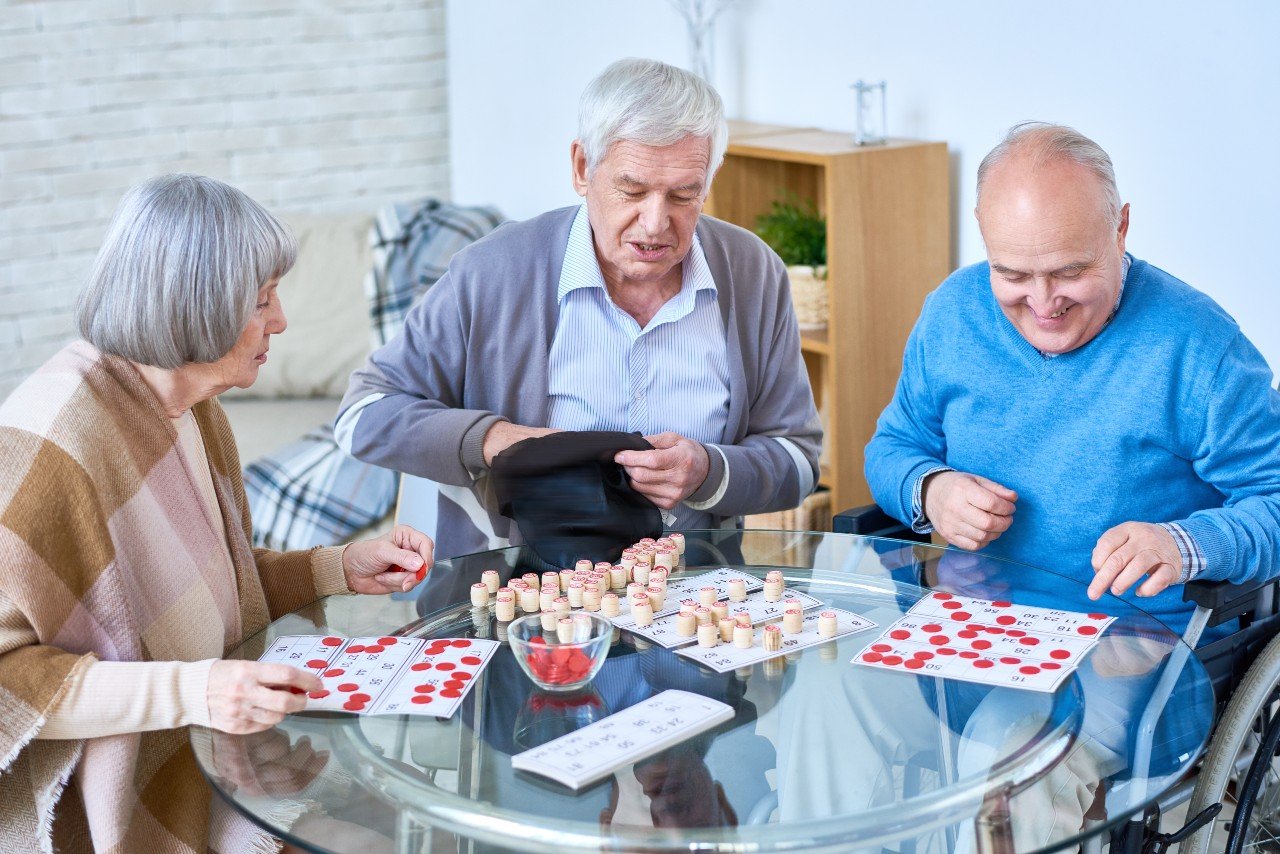
During the early stages of dementia, many individuals retain strong communication skills, long term memory recall, and a desire for independence. Activities for seniors with dementia at this stage often focus on maintaining cognitive skills and encouraging residents to remain socially engaged. Brain stimulating activities such as board games, jigsaw puzzles, and guided problem solving games can help slow cognitive decline while supporting cognitive function in an enjoyable and low pressure way.
Creative activities like painting, nature crafts, and other forms of self expression also play an important role. These creative activities allow seniors with dementia to express emotions that may be difficult to put into words while supporting fine motor skills and confidence. Group activities encourage social interaction and help residents form positive emotional connections with peers, which can reduce feelings of isolation after a dementia diagnosis.
At Lakewood, activities are planned with intention and flexibility, allowing healthcare professionals and life enrichment staff to gently encourage participation without creating frustration or pressure.
Gentle Engagement for Alzheimer’s Disease as Needs Begin to Change
As Alzheimer’s disease progresses, attention spans may shorten and communication skills can become more limited. Activities during this stage focus on familiarity, comfort, and encouraging communication through shared experiences. Familiar tasks such as folding laundry, sorting objects, or setting tables help residents remain connected to daily life while supporting cognitive health and a sense of purpose.
Music therapy becomes especially meaningful during this stage. Musical hymns, familiar songs, and rhythmic movement can unlock memory recall and cherished memories even when other forms of communication become difficult. Music therapy has been shown to improve mood, reduce anxiety, and support positive emotional connections for many memory care residents.
Sensory activities also become increasingly important. Tactile activities, calming scents in the sensory spa, and guided sensory stimulation help reduce agitation and promote relaxation, supporting both emotional and physical comfort.
Encouraging Creative Activities that Adapt with Cognitive Decline
Creative activities remain valuable throughout all stages of dementia, though the approach evolves as cognitive decline advances. In later stages, creative activities are simplified and process focused rather than outcome driven. Painting with broad strokes, simple crafts, or working with textured materials allows residents to engage in self expression without fear of doing something wrong.
Creating memory boxes becomes especially meaningful during this time. Memory boxes may include family photos, pets, special mementos items, and familiar objects that help spark memory recall and provide comfort. These boxes support sensory activities and can help encourage communication even when verbal skills are limited.
At Lakewood, staff encourage residents gently, honoring each individual’s pace and emotional needs while ensuring activities remain comforting and supportive.
Using Board Games and Familiar Routines to Maintain Connection
Board games and structured activities continue to play a role as dementia progresses, though they are carefully adapted. Simple board games with clear visuals and minimal rules support cognitive skills without overwhelming residents. Familiar routines help older adults with dementia feel safe and oriented, which is essential for overall well-being.
Activities are designed to engage residents while protecting dignity and comfort. Familiar routines and thoughtfully guided experiences help residents feel safe, capable, and supported in their daily life. Each activity is introduced with care, allowing residents to participate at their own pace while honoring personal preferences and emotional needs. This gentle approach helps maintain connection and confidence without creating frustration or overstimulation.
Creating Meaningful Dementia Activities through Group Activities
Group activities are an essential part of memory care communities because they foster social interaction and encourage residents to feel part of something larger than themselves. Group activities at Lakewood include musical hymns, dance socials, therapy dog visits, and engaging social hours. These shared experiences help improve mood, reduce anxiety, and strengthen positive emotional connections among residents.
Animal assisted therapy offers a unique dementia benefit by providing comfort and reducing stress. Many memory care residents respond positively to animals, even in advanced stages of memory loss.
Group activities are planned with sensitivity, ensuring residents are never overwhelmed while still benefiting from social engagement.
Finding Fun Activities that Support Daily Life and Movement
Fun activities are just as important as therapeutic ones. Laughter, enjoyment, and shared moments contribute to overall well-being and psychological health. Physical activities such as chair yoga, courtyard ball toss, gardening, and gentle fitness classes support mobility, circulation, and cognitive health while remaining accessible to older adults with varying abilities.
Chair yoga, in particular, supports balance, flexibility, and relaxation while reducing anxiety and encouraging residents to stay present in the moment. Walkable paths and garden plots promote natural movement and offer calming sensory stimulation through nature.
When movement is part of daily routines, residents often feel more comfortable and confident.
Supporting Activities for Seniors in Later Stages with Comfort and Presence
In the later stages of dementia, activities focus less on cognitive stimulation and more on comfort, sensory engagement, and emotional reassurance. Sensory activities such as hand massages, calming music, familiar scents, and visual engagement help reduce anxiety and promote a sense of peace.
Even when verbal communication fades, residents can still benefit from social interaction through presence, touch, and shared moments. Encouraging residents through gentle cues and familiar rhythms helps maintain connection and dignity through every stage.
Helping a Loved One Feel Supported Through Thoughtful Planning
For family members, understanding how activities change across different stages of dementia can bring comfort and clarity. Thoughtfully planned activities that align with each stage helps loved ones feel confident that their family member is receiving care rooted in compassion and best caregiving practices.
At Lakewood, activities are planned by experienced professionals who understand the relationship between cognitive decline, heart disease, overall health, and emotional well-being. Each resident’s journey is honored through personalized programming designed to help residents' thrive.
Helping Memory Care Residents Thrive at Every Stage
Memory care activities are far more than scheduled events. They are opportunities to connect, express, and experience comfort through every stage of dementia. When activities are thoughtfully adapted to different stages, they help improve cognitive function, encourage communication, support emotional health, and create moments of joy that still feel deeply personal.
Lakewood Memory Care and Assisted Living in Brookfield offers a nurturing community where residents are supported through evidence based, person centered memory care activities designed to honor each individual’s story. If you would like to see how our community supports residents and their loved ones, we invite you to get in touch with our team to schedule a tour and experience Lakewood for yourself.
Frequently Asked Questions
How are memory care activity ideas adjusted for individual needs?
Activities are personalized based on cognitive abilities, physical health, personal history, and emotional comfort, allowing residents to engage in ways that feel safe and meaningful.
Do memory care activities help slow cognitive decline?
While activities cannot stop dementia progression, engaging in stimulating activities can help maintain cognitive function and support cognitive health for as long as possible.
How do activities improve communication for seniors with dementia?
Activities that involve music, sensory stimulation, and familiar routines help encourage communication through nonverbal cues, emotional expression, and shared experiences.
What role do family photos play in memory care activities?
Family photos support memory recall, comfort, and identity, helping residents feel connected to their loved one and personal history.
How do memory care communities ensure activities remain enjoyable?
Activities are continually adapted based on residents’ responses, abilities, and preferences to ensure they improve mood, reduce anxiety, and support overall well-being without causing frustration.