
How to Encourage Social Interaction for Older Adults With Dementia
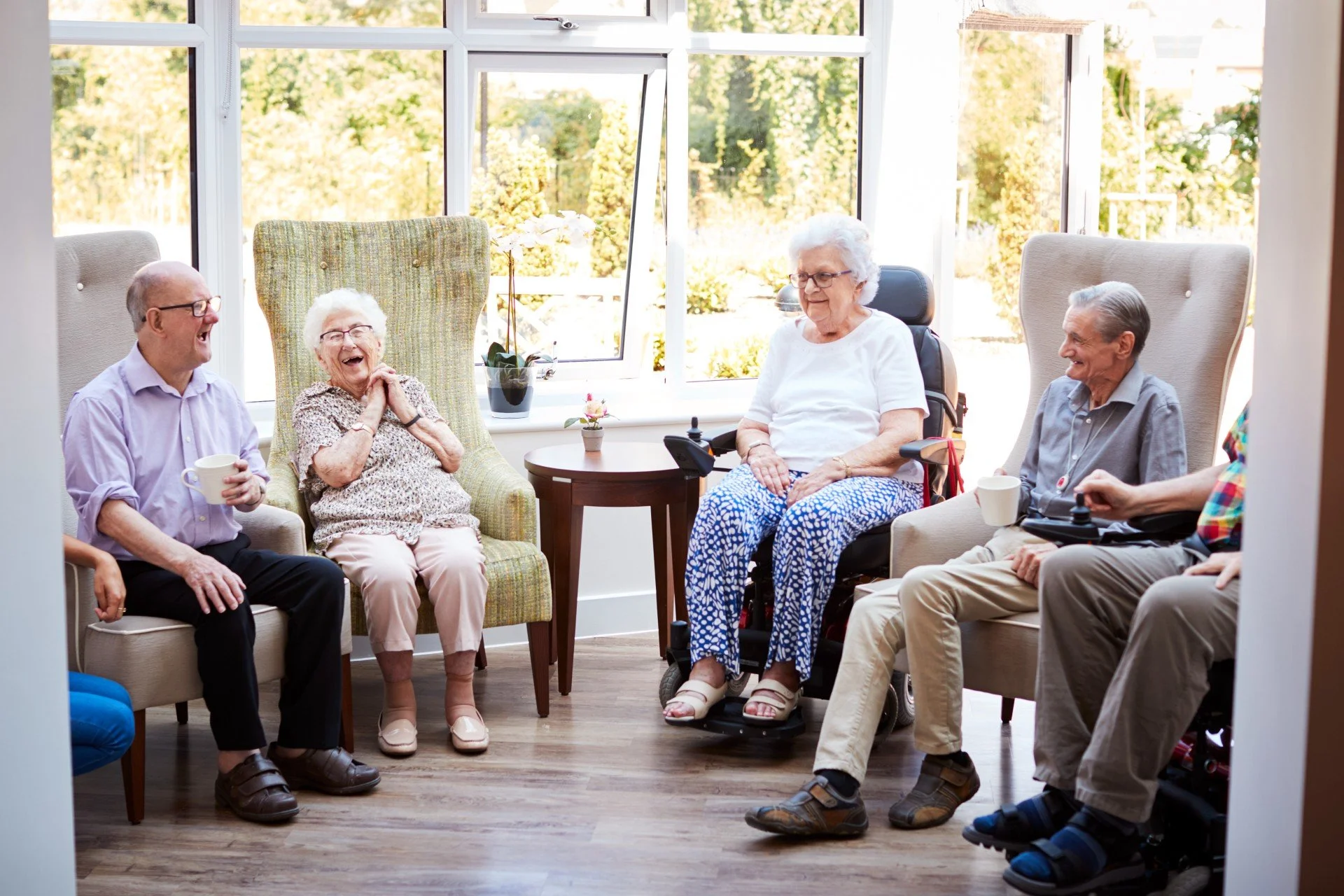
When someone you love is living with dementia, one of the hardest changes to witness is withdrawal. A person who once enjoyed conversation, laughter, and spending time with friends may begin to pull back. They may struggle in social situations, lose confidence in speaking, or quietly begin to feel isolated.
Encouraging social interaction for older adults with dementia is not about forcing activity. It is about gently helping them feel connected again. It is about creating safe spaces where they can engage at their own pace, build meaningful relationships, and experience moments of joy.
For many older adults, social engagement is essential to emotional well-being, mental health, and healthy aging. The way we approach connection makes all the difference.
Why Social Isolation Happens in Older Adults With Dementia
Before you can encourage connection, it helps to understand why social isolation develops.
Dementia often affects memory, communication, and confidence. A person may forget names, lose their train of thought, or struggle to follow group conversations. These changes can feel frustrating or embarrassing. Over time, some older adults begin avoiding social situations because they fear making mistakes.
Mobility limitations, chronic health issues, and other health conditions can also limit social contact. Many older adults face changes in their physical health that make leaving the house more difficult. When social interaction becomes harder, a person can slowly become socially isolated.
Research shows that social isolation can contribute to cognitive decline and mental health issues such as depression and anxiety. Some studies suggest an increased risk of chronic conditions including heart disease when loneliness persists. While every person’s journey is different, isolation can create higher levels of stress and emotional discomfort.
Recognizing these patterns early allows caregivers and family members to gently step in and support meaningful social engagement.
Start Small to Help Older Adults Feel Comfortable in Social Situations
Encouraging social interaction for older adults with dementia begins with safety and comfort.
Large groups and loud environments may feel overwhelming. Instead of immediately introducing busy community events, begin with smaller interactions. A quiet conversation with one trusted person can feel far more successful than a crowded gathering.
Short, positive experiences help build confidence. Sharing a simple activity such as folding towels together, watering plants, or sitting outdoors can create natural social interactions without pressure.
When a person begins to feel comfortable, they are more likely to engage again. Over time, these small successes can help them feel connected and supported.
Focus on Meaningful Relationships Rather Than Quantity
It is not about how many people someone interacts with. It is about the quality of those interactions.
Meaningful relationships provide emotional stability and reassurance. Encourage regular visits from family members and loved ones who understand the person’s history and personality. Familiar faces reduce anxiety and help older adults feel secure.
Friends who share similar interests can also strengthen social connections. Conversations about past hobbies, favorite music, or familiar memories can spark engagement in natural ways.
Research shows that strong social connections are linked to improved mental health and may support cognitive benefits. When seniors feel valued within relationships, their overall well-being often improves.
Create Gentle Opportunities for Social Engagement Through Shared Activities
One of the most effective ways to encourage social interaction is through shared purpose.
Activities that involve collaboration create natural engagement. Exercise classes, gardening, crafts, and music programs allow seniors to participate without the pressure of constant conversation. Socializing happens organically.
At Lakewood Memory Care and Assisted Living in Brookfield, weekly mental and physical activities encourage connection while supporting physical health. Residents participate in gardening, armchair yoga, devotional readings, crafts, and music sessions that bring people together in a relaxed and welcoming setting.
Monthly gatherings such as dance socials and therapy dog visits provide joyful opportunities for residents to engage with peers and build new friends within the community.
These shared experiences allow residents to connect while exploring new things in a supportive environment.
Support Mental Health by Helping Seniors Stay Connected
Mental health is closely tied to social engagement.
When older adults feel isolated, feelings of loneliness can grow. In some cases, depression and anxiety may follow. Encouraging regular social contact helps protect emotional health and reduces the risk of ongoing isolation.
Simple daily check-ins, shared meals, and calm social hours provide reassurance. Meditation sessions and relaxed gatherings within a supportive community environment can also help reduce stress while encouraging interaction.
Digital interactions can also play a role. Video calls with family allow seniors to stay connected even when distance prevents in person visits.
Helping older adults feel connected each day supports both emotional comfort and healthy aging.
Adapt Social Interaction as Dementia Progresses
Dementia is progressive, which means social engagement must evolve over time.
In earlier stages, group discussions and structured activities may feel manageable. As cognitive decline advances, simpler forms of interaction may be more appropriate.
Holding hands, listening to music together, or looking through photo albums can create meaningful social contact even when verbal communication becomes limited.
Caregivers should pay close attention to cues. If a person becomes overwhelmed, step back and simplify. If they show curiosity or interest, gently encourage engagement.
This personalized approach is essential.
At Lakewood, the Holistic Memory Care Program uses Montessori based principles to encourage creativity and communication in ways that honor each resident’s abilities. Activities are designed to support social connections while respecting each person’s comfort level and stage of dementia.
Building Higher Levels of Social Interaction Within a Supportive Community
Encouraging higher levels of social engagement often becomes easier within a thoughtfully designed community environment.
Walkable paths, garden plots, and welcoming common areas create natural opportunities for residents to interact throughout the day. Nutritious shared dining experiences also encourage conversation and connection.
When older adults live in an environment that supports engagement, social interaction becomes part of daily life rather than something that must be scheduled or forced.
This kind of supportive setting helps residents maintain friendships, build connections, and continue experiencing life alongside others.
Helping Older Adults With Dementia Feel Connected Every Day
Encouraging social interaction for older adults with dementia requires patience, compassion, and intentional support.
Starting small and focusing on meaningful relationships helps create a strong foundation for connection. Creating shared experiences and adapting engagement over time allows caregivers to help seniors avoid social isolation and continue participating in life in ways that feel comfortable and fulfilling.
At Lakewood Memory Care and Assisted Living in Brookfield, connection is incorporated into daily life through purposeful activities, supportive care, and opportunities for residents to build meaningful relationships within a warm and welcoming community.
If you are exploring memory care or assisted living for a loved one, we invite you to connect with our team and schedule a personal tour. Experiencing the warmth and engagement within our community can help you feel confident that your loved one will be supported, encouraged, and truly cared for.
Frequently Asked Questions
Why is social interaction considered essential for seniors with dementia?
Social interaction supports communication, emotional stability, and overall health. Research shows that seniors who remain socially engaged may experience a reduced risk of certain health risks and chronic conditions.
Can lack of social engagement increase health risk?
Some research suggests that prolonged loneliness may be linked to higher risk of heart disease, obesity, smoking related health concerns, and other chronic health issues within the aging population.
How does social interaction help slow cognitive decline in older adults with dementia?
Regular social interaction encourages communication, memory recall, and mental stimulation. Engaging in conversations and shared activities can help support brain function and provide cognitive benefits, which may help slow aspects of cognitive decline while improving overall well-being.
Why is social engagement important for healthy aging in seniors with dementia?
Healthy aging involves more than physical health. For seniors living with dementia, maintaining social engagement supports emotional stability, strengthens identity, and encourages participation in daily life. Staying connected to others can enhance quality of life at every stage of aging.
How can families help strengthen social connections for a loved one with dementia?
Families can strengthen social connections by visiting regularly, participating in shared activities, and creating predictable social routines. Simple interactions such as looking through photos, enjoying meals together, or attending small gatherings can help maintain meaningful relationships.
Does social isolation increase the increased risk of health problems in seniors?
Research suggests that prolonged social isolation may contribute to an increased risk of certain health challenges, including depression, anxiety, and chronic conditions. Encouraging consistent social contact can help reduce these risks and support both mental and physical health.
What should caregivers do if a person with dementia begins to feel isolated?
If someone begins to feel isolated, caregivers can start by offering small, low pressure social opportunities. One on one visits, calm group activities, and supportive environments can help rebuild confidence and encourage gradual social engagement over time.