
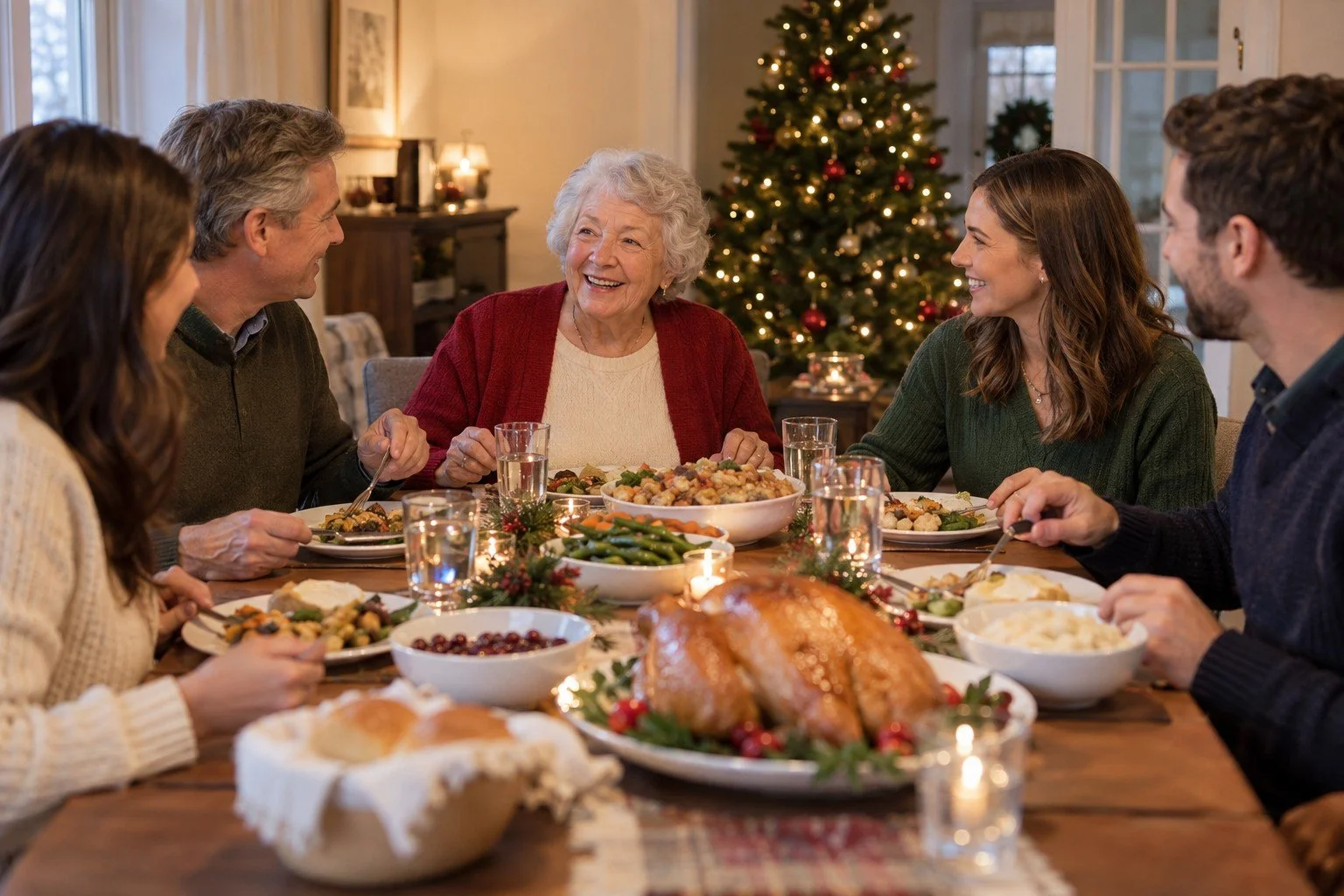
The holiday season can change the rhythm of daily life. Visitors arrive, meals move to different times, and familiar rooms may look different. For a person experiencing memory loss, these changes can bring stress or confusion.
A familiar holiday routine helps the person know what to expect while still allowing them to enjoy the season. At Lakewood Memory Care and Assisted Living in Brookfield, Wisconsin, person-centered care follows each resident’s lifetime routine. This same principle can help families approach the holidays with greater care.
Protect Daily Routines During the Holiday Season
Start with the parts of the day that affect the person most. Keep waking times and mealtimes consistent, along with their usual rest periods and sleep schedules. Holiday plans can then fit around these familiar patterns.
If your loved one normally rests after lunch, avoid scheduling visitors during that time. An evening celebration should also end early enough to protect their bedtime. Maintaining daily routines does not require a rigid schedule. It simply preserves the familiar cues that help the person living with dementia move through the day with less uncertainty.
Planning ahead is especially helpful when caregiving responsibilities will be shared. Let family members know what time the person usually eats, rests, and needs personal care. Providing care becomes easier when everyone understands the person’s usual schedule and follows the same routine.
Adapt Holiday Traditions to Current Abilities
Holiday traditions can create a special sense of familiarity, but they may need to change as cognitive impairment progresses. Focus on the part of a tradition that matters most rather than trying to recreate the entire experience.
Someone who once prepared the holiday meal may now enjoy folding napkins or sitting nearby while food is prepared. A favorite holiday song or favorite holiday movie may be more comfortable than a long gathering. Familiar smells from a customary meal can also make the celebration feel recognizable.
Maintaining traditions should never become a test of memory. Avoid asking whether the person remembers a past celebration. Instead, share pictures or look through photo albums without expecting them to identify people and events.
Keep Holiday Celebrations Manageable
Holiday celebrations can become overwhelming when a room is crowded or noisy. Many families want everyone together, but a smaller visit may be easier for a person with Alzheimer’s disease or another form of dementia.
Set realistic expectations for how long the person can comfortably participate. They may enjoy a short meal but feel overwhelmed during a full afternoon of holiday events. If their energy or mood changes, be prepared to leave early or help them move to a quieter area.
Virtual gatherings can be a gentle way to connect with loved ones who cannot visit in person. Keep the call brief and allow one person to speak at a time. The goal is to spend quality time together, not to include every possible activity.
Choose Holiday Activities That Feel Familiar
Certain holiday activities are easier to enjoy because they connect with the person’s interests. Invite them to take part in one simple task without placing pressure on the outcome.
Offer clear guidance and demonstrate the first step if needed. If the person loses interest, allow the activity to end naturally. Special moments often come from enjoying the task together rather than completing it.
Decorations also need special considerations. Keep regular pathways open and avoid covering familiar objects that help the person recognize a room. Bright lights or blinking lights may feel overwhelming. Artificial fruits should be avoided if the person could mistake them for food.
Communicate Effectively With Family and Friends
Effective communication begins before the visit. Explain any changes in the person’s recognition or conversation skills so that guests know what to expect. Visitors can introduce themselves naturally instead of asking, “Do you remember me?”
If the person asks the same questions, answer calmly without pointing out the repetition. Speak clearly and give them enough time to respond. Holiday plans should also be explained one step at a time. Too much information can increase confusion. Rather than describing the entire day, tell the person what is happening next.
Adjust Expectations When the Person Needs Less Activity
Caregivers may feel pressure to preserve every tradition, but this can create unnecessary stress. Adjust expectations according to the person’s current health and abilities, even if the holidays look different from the past.
A person living with cognitive decline may prefer watching an activity instead of participating. They may also need to skip some holiday events. These changes do not make the celebration less meaningful. They allow the person to remain included without becoming overwhelmed.
Other family members may need help understanding why plans have changed. Explain that shorter visits and quieter surroundings support safely enjoying time together.
Create a Familiar Retreat for Loved Ones Experiencing Memory Loss
Loved ones experiencing memory loss should have somewhere quiet to rest during a gathering. Choose a familiar room away from busy conversations and holiday preparations. Keep the space comfortable with the person’s usual chair or another familiar item. A caregiver can sit with them until they feel settled.
This retreat should remain available throughout the visit, not only after the person shows signs of stress. If the celebration takes place elsewhere, ask the host about a quiet room beforehand. Bringing a familiar item may help the new space feel less unfamiliar.
Support Caregivers Through a Stressful Time
The holidays can be a stressful time for caregivers balancing family expectations with taking care of someone who has dementia. Share responsibilities before the gathering rather than waiting until help is needed.
Ask someone you trust to spend quality time with the person while you eat or rest. Self care also includes protecting your own sleep and turning down plans that would bring stress without benefiting your loved one. Caregivers do not have to create a perfect celebration. A calm visit that respects the person’s needs is enough.
Make Familiarity the Priority This Holiday Season
A successful holiday routine keeps the older adult’s usual rhythm at the center of the day. Traditions can change while still preserving connection and a sense of belonging.
Lakewood’s Holistic Memory Care Program follows Montessori principles and honors each resident’s memories and experiences. Residents receive personalized support in a secure, home-like community where their individual routines remain important.
If you or a family member is exploring memory care in Brookfield, contact Lakewood Memory Care and Assisted Living to schedule a tour and learn more about our approach.
Frequently Asked Questions
1. How can the Alzheimer’s Association support families during the holidays?
The Alzheimer’s Association offers information about dementia, caregiver stress, and communication changes. Its resources can help family members better understand the unique challenges that may arise during the holidays.
2. How can children prepare to visit a loved one with cognitive decline during the holidays?
Explain that the older adult may forget names, repeat themselves, or respond differently than expected. Encourage children to speak naturally and focus on enjoying the visit rather than testing the person’s memory.
3. Can a brain wellness center help when confusion increases?
A brain wellness center or healthcare provider can assess noticeable changes in memory or behavior. Families should seek professional advice when confusion increases, since it may be connected to a health concern.
4. What is a suitable gift for someone with cognitive impairment?
Choose a gift that relates to the person’s current interests and is easy to use. Familiar music, comfortable clothing, or a personal photograph may be more suitable than an unfamiliar device with complicated instructions.